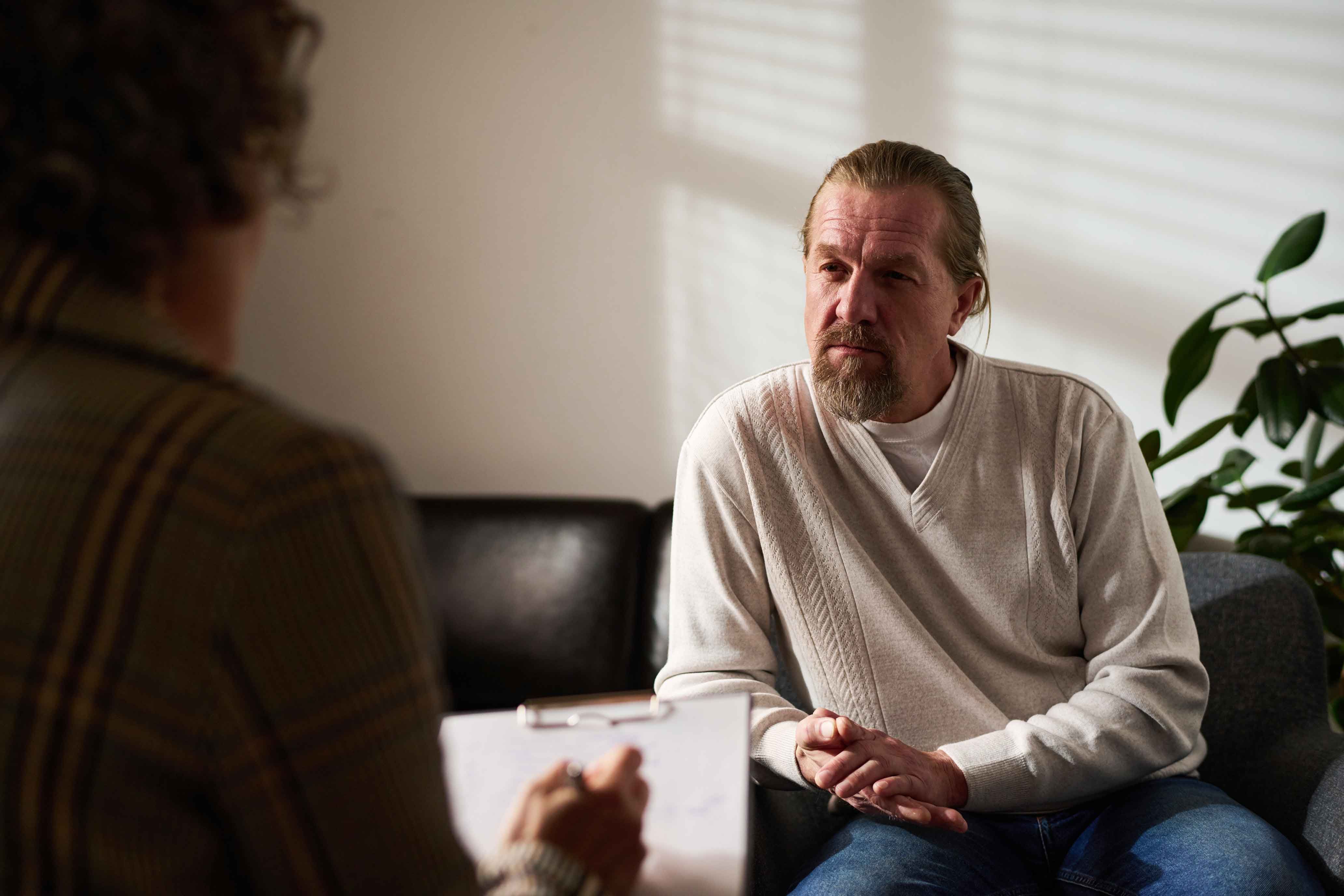
If you feel you or your family could be helped by talking through a mental health issue, or you feel that psychotherapeutic input might be right for you, then please do get in touch.
Our clinicians are available to talk through your concerns over the phone and can advise as to whether therapeutic help might be beneficial. We offer appointments throughout the day and run evening clinics throughout the week, including Saturdays. We are also able to offer sessions via Zoom where we feel this is clinically appropriate.
Prefer to phone us first? Call us on 0131 5579894
Your details
Therapy Types
Cognitive Behavioural Therapy (CBT)
Cognitive Behavioural Therapy (CBT) is a structured, practical therapy that focuses on how thoughts, feelings, and behaviours interact to maintain distress.
CBT helps people identify unhelpful patterns and develop tools to change them. It is typically time-limited, goal-focused, and collaborative, aiming for measurable improvements in symptoms and day-to-day functioning.
What to Expect
CBT sessions are active and structured. Early sessions clarify the main difficulties, agree goals, and develop a shared formulation of what keeps the problem going. You and the therapist work together to test out new ways of responding — for example, by shifting unhelpful thinking styles, reducing avoidance, and building coping skills. Sessions often include practical exercises and between-session tasks to apply learning in real situations. Progress is reviewed regularly, and therapy is geared toward helping you leave with skills you can use independently. CBT is transparent and collaborative: you should understand the rationale for what you are doing and how it connects to your goals.
Evidence Base & Suitability
CBT has one of the strongest evidence bases in psychological therapy and is recommended in many clinical guidelines for conditions such as depression, panic, social anxiety, generalised anxiety, OCD, PTSD, and phobias. Large-scale trials and meta-analyses show CBT can reduce symptoms and improve functioning across a wide range of difficulties. CBT is particularly suitable for people who want a clear framework, practical tools, and a focus on present-day patterns. It may be less suitable if you are primarily seeking open-ended exploration of early relationships and unconscious processes, or if a purely skills-focused approach does not match your needs.
“CBT is about understanding the patterns that keep you stuck and building practical tools to change them. We’ll work collaboratively, step by step, so you can test new strategies in real life. The aim is not just short-term relief, but skills you can keep using long after therapy ends.”